
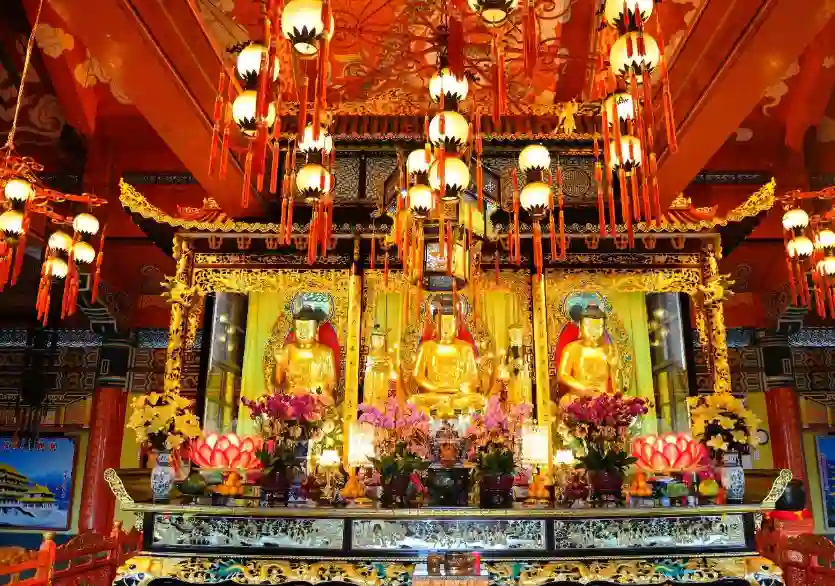
What is a Buddhist Temple, and what are Its Purposes
Buddhist temples are considered important places for people who follow Buddhism. People visit these temples for different purposes such as worship, learning, meditation, and community activities. Temples can be found in almost every country where buddhism is practiced, and their design, structure, and purpose may vary depending on the local culture and tradition.
The following explains what a Buddhist temple is and what its purposes are.
Understanding Buddhist Temple
A Buddhist temple is a building where Buddhists go to worship, meditate, and learn about the teachings of the Buddha. Temples are considered sacred places, especially for people who follow Buddhism. Many temples provide teachings and guidance from monks or spiritual leaders.
It is a place where people can focus on spiritual growth and practice mindfulness. These temples often have statues of the Buddha and areas designed for meditation and rituals.
Main Purposes of a Buddhist Temple
The main purpose of a Buddhist temple is to serve as a place of worship. Buddhist people visit temples to offer prayers, participate in rituals, and show respect to the Buddha. Many people also visit temples to learn about Buddhism, where monks and teachers guide them.
This helps people understand Buddhist teachings better. Additionally, temples provide a peaceful space for meditation and reflection, which help visitors find inner calm and focus.
Structure of a Buddhist Temple
Buddhist temples usually have multiple sections, each with a special purpose. It includes a main hall, where a large statue of the Buddha is placed and tower-like structures called stupa. The meditation hall is also a part of a temple, which is dedicated to practicing meditation.
Monk’s quarters are also a part of Buddhist temples. The design of a temple can vary widely. Some are simple and peaceful, while others are decorated with gold leaf, and colorful paintings.
Religious Activities
Temples host many religious activities related to Buddhism. People visit to pray, meditate, chant, and make offerings such as candles, flowers, or food. Important festivals are also celebrated in these temples, such as Vesak, which marks the birth, enlightenment, and death of the Buddha.
Monks give sermons, lead group meditations, and provide spiritual guidance to visitors. These activities strengthen faith, encourage mindfulness, and promote a sense of community.
Educational Purposes
A Buddhist temple is not only a place of worship but also a center for learning. Many temples offer classes to teach people about Buddhist teachings, meditation techniques, and moral values. This helps children and adults learn about the life of the Buddha.
These teachings also help people to learn about the ways to live a mindful life. Educational programs help preserve Buddhist culture and ensure that traditions are passed down to future generations.
Community and Cultural Significance
Temples also serve as community centers where people gather for different social and cultural events. They provide a safe space to people for reflection, socializing, and helping others. In many countries, temples are also tourist attractions because of their beautiful architecture and history.
Tourists by visiting these temples experience the traditions, art, and peaceful atmosphere of a Buddhist temple while learning about its spiritual role.